An inspection bureau for the American shelf

Same product.
Different rules.

You came home from Europe feeling better and suspected the food. Some of that instinct is right, some is hype, and the difference is written in the regulation. We read the fine print. No scores. No scares. Receipts, not opinions.

Banned in Europe

The Tool

Paste any product's ingredient list.

We check it against 422 substances the EU bans or restricts (aliases, E-numbers, and CAS numbers included) and cite the regulation for every flag. Runs in your browser; nothing you paste leaves your device.

Check a label

Four verdicts. Zero scores.

  • Banned in EU

    Not authorized anywhere in the EU for this use. The strongest verdict we report, and we only report it with the regulation number attached.

  • Restricted in EU

    Legal in the EU only under conditions: concentration caps, specific product types, or mandatory warning labels. The detail matters, so we print it.

  • Legal in both

    Permitted on both sides of the Atlantic. Most ingredients are. When the answer is boring, we say so.

  • Banned in US only

    The rare reverse case, where the FDA acted and Brussels didn't. Yes, it happens; see Red Dye 3.

Three labels, read closely.

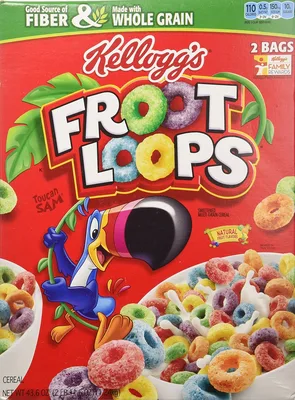
US box of Kellogg's Froot Loops cereal
EXHIBIT 01 FROOT LOOPS · RED 40, YELLOW 5+6, BLUE 1 · US FORMULA Restricted in EU

In the EU these dyes are legal but require the children's-activity warning label, which is why European cereals use fruit and plant concentrates instead.

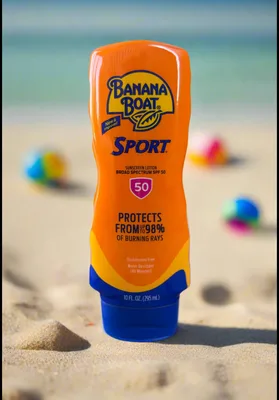
Banana Boat Sport sunscreen bottle standing in beach sand
EXHIBIT 05 BANANA BOAT SPORT · HOMOSALATE 15%, OCTOCRYLENE 10% · US FORMULA Restricted in EU

Since 2022 the EU limits homosalate to face products at 7.34%; the FDA allows 15% body-wide. Octocrylene is permitted at 10% in both, with EU scientists watching its benzophenone breakdown product.

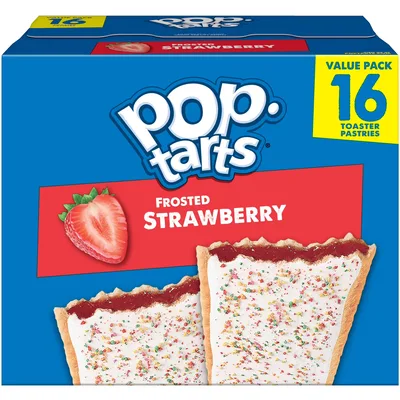
US box of Pop-Tarts Frosted Strawberry toaster pastries
EXHIBIT 03 POP-TARTS FROSTED STRAWBERRY · RED 40, YELLOW 6, TBHQ · US FORMULA Restricted in EU

The dyes carry the EU warning-label rule; TBHQ (E319) is permitted in the EU only in specific categories at capped levels.

Every exhibit states what the label discloses and what the regulation says about it, nothing more. How we assign statuses.

The dispatch.

All articles
Living Differently

Why You Can Eat Bread in Europe but Not at Home

Americans routinely report eating bread in Europe with no trouble, then bloating at home. A calm, data-led look at fructans vs gluten, fermentation, additives, wheat variety, portions, and the part nobody wants to credit: the vacation itself.

By Lani Cadet · 9 min read
Explainers

American Foods Banned in Europe: The Real List

A fact-checked guide to which American foods are actually banned in Europe, and which the viral listicles get wrong. Sorted into true, overstated, and false, with primary-source citations for each.

By Lani Cadet · 11 min read
Explainers

BHA and BHT: Why Your Cereal Lasts Forever

BHA and BHT keep American snacks shelf-stable for months. They're not banned in Europe; they're permitted as E320 and E321 under strict limits. A calibrated look at why BHA carries a cancer flag and BHT mostly doesn't.

By Lani Cadet · 8 min read